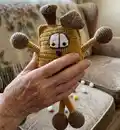
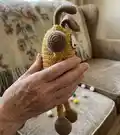
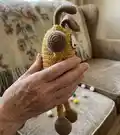
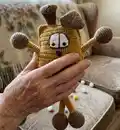
About This Woof the Dog Amigurumi Pattern
This pattern creates a stretchy dog toy with long, squeezable limbs and a soft rectangular body. The design uses simple single crochet shaping and modular parts for easy assembly. You will work small amigurumi pieces and sew them onto the square body for a playful final toy.
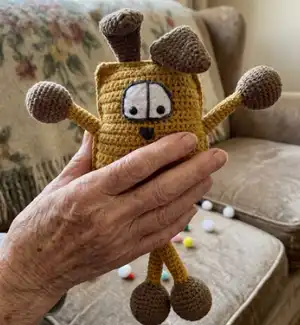
The limbs are constructed to stretch and retract, adding interactive play value. Detailed photos and step-by-step instructions guide you through assembly and decoration.
Why You'll Love This Woof the Dog Amigurumi Pattern
I absolutely love this pattern because it combines simple crochet techniques with a creative stretchy-limb design that kids adore. I enjoy how the rectangular body is worked flat and then joined to create a neat, square shape that makes assembly straightforward. The pattern allows for playful customization — you can change colors and facial expressions to give each Woof a personality. Sewing the parts together is satisfying and the finished toy is durable and fun to handle.
Switch Things Up
I love changing the color palette to make each Woof unique; try soft pastels for a nursery-friendly friend or bold contrasts for a playful character.
I sometimes use a thicker yarn and a larger hook to create a chunkier, cuddlier Woof—just remember the final size will increase.
I also make mini versions by using finer yarn and a smaller hook to create keychain-sized Woofs that are great gifts.
I often replace safety eyes with embroidered eyes for baby-safe toys and add felt eye panels for a different face style.
I like to vary facial expressions by moving the nose and mouth placement slightly—this can change the whole personality of the toy.
I add wire inside the limbs when I want a posable version; be cautious and only use wire for adult toys, not for baby use.
I sometimes embroider little patches or add tiny crocheted accessories like scarves or hats to give Woof a seasonal look.
For a more tactile toy, experiment with yarn textures—cotton gives a neat finish while acrylic can be fluffier and softer to the touch.
I recommend trying different stuffing amounts to find the right balance between firmness and squishiness; less stuffing gives a softer, floppy look.
I enjoy making sets in coordinating colors and displaying them together as a collection, which is a lovely handmade gift idea.
Common Mistakes & How to Fix Them
✗ Skipping the turning chain at the end of rows for the eyes or body will change row height and cause misalignment; always make the 1 turning CH at the end of each row as instructed.
✗ Forgetting to change yarn color exactly where noted can create awkward color joins and visible seams; switch yarns at the specified round and weave in ends neatly to hide joins.
✗ Not stuffing the limb bulbs and body firmly enough results in floppy shapes that do not hold their form; stuff gradually and firmly where the pattern directs, especially the limb bulbs and body corners.
✗ Missing decreases or increases when counting rounds will change stitch counts and distort shaping; count stitches after each shaping round and use stitch markers to keep track.
✗ Attaching ears or eyes without carefully measuring rows will create asymmetry; mark the placement and compare both sides before sewing to ensure even placement.