About This Pino Amigurumi Pattern
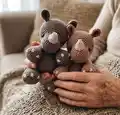
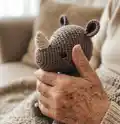
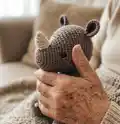
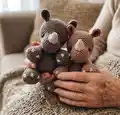
This pattern creates Pino, a small amigurumi rhino worked mostly in single crochet using cotton yarn. The design includes assembled legs, arms, a rounded body, head with sewn-on horn and embroidered nails for charming detail. Detailed stitch counts and photos help you place limbs and features accurately.
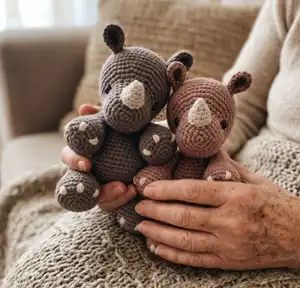
The pattern uses continuous rounds and simple shaping to create soft, cuddly proportions. Youll find tips for stuffing, marking rounds and finishing small parts for a professional result.
Why You'll Love This Pino Amigurumi Pattern
I absolutely love this pattern because it combines simple amigurumi techniques with thoughtful shaping to create a tiny character full of personality. I enjoy how the small horn and embroidered nails give Pino so much charm with minimal effort. The pattern photos and step-by-step rounds make it easy for me to see exactly where to place parts and how the finished toy should look. I also appreciate that it is adaptable — you can change yarn colors and sizes to make many different little rhinos.
Switch Things Up
I love customizing Pino by changing the yarn color — try pastel pink or mint green for a whimsical baby version, or gray and cream for a more natural look.
I sometimes swap the recommended cotton for a slightly thicker yarn and a larger hook to create a chunkier, cuddlier rhino that is perfect for toddlers.
I like to add tiny accessories like a crocheted scarf, bow, or a miniature flag to give each Pino its own personality.
If you prefer a keychain, I reduce the hook size and use fingering yarn to make a tiny Pino that fits on a bag or keys.
For eyes, try embroidering them instead of safety eyes if youre making the toy for a baby, or use different sized safety eyes for varied expressions.
I often experiment with slightly changing the horn size by adding or removing a round to achieve different snout proportions.
To make Pino poseable, consider adding a short piece of flexible wire inside the limbs before stuffing; test carefully for safety and secure ends well.
I sometimes embroider freckles, a smile, or tiny eyelashes to customize the face and change the toy's expression subtly.
Want a set? Make two Pintos in complementary colors and stitch them together with a small loop so they can be hung as a matching pair.
I recommend adding felt details like a tiny heart on the chest or a felt patch on the belly for mixed-media charm and texture.
Common Mistakes & How to Fix Them
✗ Skipping a stitch marker while working in continuous rounds leads to lost track of the beginning of the round; always place a marker at the first stitch and move it each round to maintain correct stitch counts.
✗ Overstuffing small pieces like the horn or nails causes them to lose shape and look bulky; stuff little parts lightly and gradually until they hold their form.
✗ Not counting stitches after increases or decreases results in uneven shaping and mismatched pieces; count your stitches every few rounds, especially after any shaping rounds.
✗ Folding and closing openings without checking round alignment can misplace joints and seams; pin the parts and ensure the joints (e.g., rounds 5 and 6 on limbs) are parallel before seaming, adjusting stitches if needed.