About This Basic Knots & Techniques Pattern
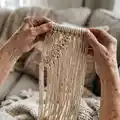
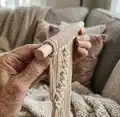
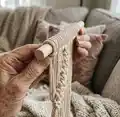
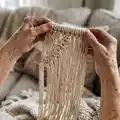
This guide teaches the foundational knots used in macrame and decorative cordwork, with step-by-step instructions and photos for clarity. Youll learn how to mount cords on a dowel and form common knots used in wall hangings and plant hangers. Each knot includes clear steps and pictured sequences to help you follow along easily.
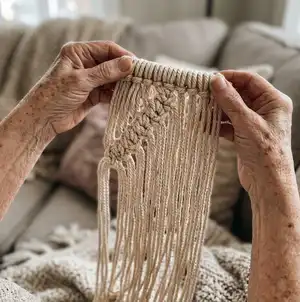
Designed as a beginner-friendly reference, the pattern focuses on technique and practical tips. Use it to build confidence and expand into larger projects like wall hangings or accessories.
Why You'll Love This Basic Knots & Techniques Pattern
I absolutely love this pattern because it simplifies core macrame techniques into approachable, photographed steps that anyone can follow. I enjoy how each knot is clearly explained so you can see how tension and placement affect the final look. I appreciate that the pattern covers both mounting methods and decorative knots, making it a compact reference for many projects. I find it rewarding when students quickly progress from these basics to full wall hangings after practicing these steps.
Switch Things Up
I love experimenting with cord thickness to change the scale of these knots; using a thicker cord makes bolder, more dramatic patterns while thinner cord creates delicate, intricate designs.
I often switch colors mid-project for stripes or ombre effects — try alternating colored filler cords or working cords for visual interest.
I add beads between knots to create texture and rhythm; sliding small wooden or glass beads onto filler cords before knotting can really elevate a piece.
For a rustic look I use natural jute or hemp cord, while soft cotton gives a polished, boho finish — choose fiber depending on the final use and look.
I like to vary spacing between rows of knots to create negative space and pattern; experiment with larger gaps to emphasize certain rows.
If I want a tidy front, I use the Reverse Lark's Head to hide bumps at the back and keep the face of the piece smooth.
To make a hanging more stable I sometimes double-up the dowel or use two dowels connected by macrame; this supports wider pieces better.
I play with mirrored patterns by repeating the same knot sequence on both sides of a center line, which looks great for symmetrical wall hangings.
Try combining Square Knots and Double Half Hitches in rows — alternating knot types creates contrast and movement across the piece.
I also trim and shape the fringe differently — diagonal cuts, V-cuts, or rounded edges change the piece’s character dramatically.
Common Mistakes & How to Fix Them
✗ Failing to place the loop correctly on the dowel when doing a Lark's Head knot can lead to uneven mounting; fold the cord evenly and position the loop over the dowel before tightening.
✗ Not keeping wraps snug but separate when tying a Gathering Knot causes sloppy, overlapping coils; keep each wrap tight against the previous one without overlapping for a neat finish.
✗ Pulling working cords with inconsistent tension while making Square Knots results in uneven knots and gaps; maintain steady, even tension and tighten each half of the knot equally.
✗ Cutting leftover strands too early after a Gathering Knot can let wraps loosen; finish tightening and secure the final tail before trimming the leftover strands.