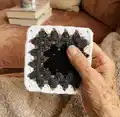
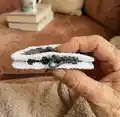
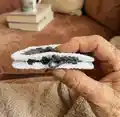
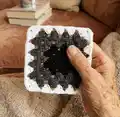
About This Basic Granny Square Pattern
This pattern creates a classic granny square that can be made small or continued for larger projects. It uses basic US crochet terminology and simple clusters of double crochet to form the corners and sides. The design is flexible — use any number of colors and combinations to make unique motifs for blankets, shawls, or cushions. Gauge is not important, making it easy to adapt to the yarn you have on hand.
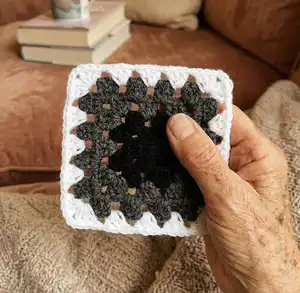
Follow the step-by-step rounds to build the square, changing color between rounds as desired. Finish by weaving in ends — no blocking is needed with this method.
Why You'll Love This Basic Granny Square Pattern
I absolutely love this pattern because it takes a timeless crochet motif and keeps it wonderfully simple and adaptable. I enjoy how quickly one square works up, letting me test color combinations without committing to a large project. I also appreciate that gauge is not important, so I can use leftover yarn and still get great results. This pattern's straightforward rounds make it perfect for teaching friends and for relaxing crochet sessions.
Switch Things Up
I love experimenting with colors in this pattern; try swapping every round to a new color for a bright, scrappy look or use just two colors for a more graphic effect.
I sometimes change yarn weight and hook size to make a mix of tiny and large squares and then combine them into an eclectic blanket.
I often add a simple border round in contrasting color to frame the assembled squares and give a finished appearance.
To make mini keychain versions, use fingering weight yarn and a smaller hook; add a metal keyring after finishing.
I like to use a join-as-you-go technique to seam squares while making the last round, which saves finishing time and creates a neat join.
Experiment with textured yarns like boucle or chenille for a plush, cozy blanket with the same stitch pattern but a different feel.
I sometimes embroider small motifs onto completed squares before joining to add a personalized touch or initials.
For a lacy look, replace the ch-1 side spaces with ch-2 or ch-3 to open up the fabric and create a delicate shawl.
I also enjoy alternating rounds of double crochet with rounds of single crochet to make denser or more solid squares for bags or placemats.
Consider adding a corner tassel or pompom on each completed square if you want a playful, boho-style finish for a throw or cushion.
If you want uniform size across many squares, I recommend making a gauge swatch and adjusting hook size until the test squares match before committing to a large project.
When joining, I pin squares in place and lay them out in a color plan before sewing, ensuring balanced distribution of colors across the final piece.
Common Mistakes & How to Fix Them
✗ Skipping the join to form the initial ring will leave you with a long chain instead of a neat center; make sure to join the chain with a slip stitch to form a ring before starting Round 1.
✗ Forgetting to count clusters after each round leads to lopsided corners and uneven squares; always verify the number of corner spaces and cluster counts after each round.
✗ Not tying off and turning the work as directed can cause the corners to pull left and the square to warp; follow the tie off and turn instructions to keep corners aligned and avoid blocking.
✗ Changing color without securing ends can result in loose tails that show through the work; fasten off neatly and weave in ends after completing the rounds to hide tails securely.
✗ Working with inconsistent tension makes squares vary in size and shape; maintain even tension throughout and use the same hook and yarn combination for matching squares.