🧢 Beautiful ✨ Detailed πŸ’ Adorable

Brian the Penguin Amigurumi Pattern

Brian the Penguin Amigurumi Pattern
4.5β˜… Rating
2-4 Hours Time Needed
2.5K Made This
βœ‚οΈ

Beginner Friendly Level

Perfect for those just starting their crochet journey, with clear instructions and simple techniques

⏱️

Bite-Sized Project

Finishes in 2-4 hoursβ€”perfect for an afternoon of creative relaxation.

🧸

Cute Companion

An adorable friend to cherish, handcrafted with love to bring comfort and joy for years to come.

About This Brian the Penguin Amigurumi Pattern

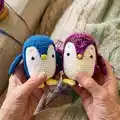
This pattern creates Brian the Penguin, a small, lovable amigurumi with a removable colourful coat and tiny embroidered beak. The design uses simple single crochet rounds and basic shaping to produce a neat finished toy. It includes detailed round-by-round instructions, materials list, and assembly guidance so you can follow along with confidence.

Brian the Penguin Amigurumi Pattern crochet pattern - detailed view of completed project

Perfect for beginners, the pattern uses US terminology and a 2.5mm hook to make a roughly 5-inch tall penguin. Each element β€” coat, body, beak, flippers and feet β€” is written out step-by-step for easy construction.

Why You'll Love This Brian the Penguin Amigurumi Pattern

I absolutely love this pattern because it combines simplicity with charming details that bring the penguin to life. I enjoy how the removable coat lets you customise colours and textures for endless variations. The shape is friendly and forgiving, making it satisfying to stitch up quickly. It is so rewarding to add tiny embroidered details like the beak triangle and eyebrows that give Brian real personality. I also love that this pattern is beginner-friendly yet gives makers the chance to practice finishing and assembly techniques.

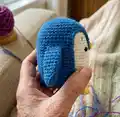
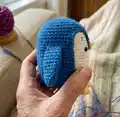
Brian the Penguin Amigurumi Pattern step 1 - construction progress Brian the Penguin Amigurumi Pattern step 2 - assembly progress Brian the Penguin Amigurumi Pattern step 3 - details and accessories Brian the Penguin Amigurumi Pattern step 4 - final assembly and finishing

Switch Things Up

I love how easily this pattern can be customised with different colourways; try a pastel coat for a soft look or variegated yarn for a playful finish.

Want a mini version? Use a finer yarn and a smaller hook to create a tiny pocket friend or keychain-sized penguin.

For an extra-cuddly toy, use a bulky yarn and a larger hook to make a chunky, squishy penguin that doubles as a pillow buddy.

I often add embroidered smiles, freckles, or tiny bow ties to personalise each penguin and give them a unique personality.

Try swapping the coat design for a striped or spotted version by alternating colours every few rounds for fun patterns.

I like to embroider different eyebrow shapes to change the penguin's expression β€” a subtle arch makes him look curious while a straight line looks sleepy.

Consider making a whole set in complementary colours for a family of penguins or seasonal colourways for holiday gifts.

You can replace safety eyes with embroidered eyes for baby-safe toys; this gives a softer, handmade look and removes choking hazards.

If you want posable wings, add a small length of floral wire inside the flippers before sewing them closed and attaching them to the body.

I recommend experimenting with different yarn textures like alpaca blends or cotton to see how the final drape and feel change β€” it's a simple way to make the pattern your own.

Common Mistakes & How to Fix Them

βœ— Skipping the stitch marker when joining rounds can make the coat shaping confusing; mark the first stitch you make after joining to keep track of the start of round and shaping positions. βœ— Not stuffing as you go leads to lumps or flat areas in the body; stuff gradually and check the shape frequently, adding small amounts until you reach a firm but soft finish. βœ— Forgetting to place safety eyes at the recommended rounds will misalign facial features; insert safety eyes between rounds 14-15 with a 9-stitch gap to get correct spacing. βœ— Sewing pieces without pinning can result in uneven placement and crooked limbs; pin the coat, flippers and feet into position and check symmetry before sewing securely.

Brian the Penguin Amigurumi Pattern

Make Brian the Penguin, a sweet 5-inch amigurumi penguin with a separate colourful coat and tiny beak and feet. This beginner-friendly pattern walks you through clear rounds, materials, and assembly so you can crochet a charming little friend to gift or keep. Follow step-by-step instructions for the coat, beak, body, flippers, and feet to create a polished finished toy.

Beginner Friendly 2-4 Hours

Materials Needed for Brian the Penguin Amigurumi Pattern

β€” Main Fabric

  • 01
    Colour A: Made by Penguins DK / Light Worsted Baby Alpaca, Blackberry – approx. 25g (coat/colour accents)
  • 02
    Colour B: Novita DK Baby Merino, Cream – approx. 20g (body)
  • 03
    Colour C: Ricorumi DK Cotton, pale yellow – approx. 10g (feet and beak)
  • 04
    Small amounts of black and yellow thread for embroidery
  • 05
    Additional small quantities of yarn for alternate colour versions (optional)

β€” Tools Required

  • 01
    Crochet hook size 2.5mm (recommended)
  • 02
    Safety eyes 6mm x 2 (not recommended for young children)
  • 03
    Toy stuffing (polyester filling)
  • 04
    Tapestry needle for sewing and embroidery
  • 05
    Stitch marker
  • 06
    Scissors
  • 07
    Pins for assembly
  • 08
    Small amount of blush for cheeks (optional)

Progress Tracker

0% Complete

β€” Materials :

Info :

Yarn: Use yarn of the same brand or that you know will work up to the same size for the body and coat to avoid a poor fit. Small amount of black and yellow thread for embroidery. Recommended hook size: 2.5mm (the example penguin was made with a 2.5mm hook). Safety eyes: 6 mm x 2. Toy stuffing. Tapestry needle for construction and embroidery. Stitch marker. Blush for cheeks (optional). Size: approx. 5 inches tall when made with a 2.5mm hook.

β€” Abbreviations :

Infos :

Ch: Chain. MR: Magic Ring. St: Stitch. SS: Slip stitch. Sc: Single crochet. Sc inc: Single crochet increase. Sc dec: Single crochet invisible decrease. BLO: Back loops only. FLO: Front loops only.

β€” The Coat :

Info :

Use yarn A. Ch 13. Work foundation chain and then work down the other side of the foundation chain to join and form an oval; work in continuous rounds.

Round 1 :

Work this round in BLO, Sc in 2nd Ch from your hook, Sc x 10, (Sc x 3) in the last Ch. Now work down the other side of your foundation chain. Sc x 10, Sc inc (26)

Round 2 :

Sc inc, Sc x 10, Sc inc x 3, Sc x 10, Sc inc x 2 (32)

Round 3 :

Sc, Sc inc, Sc x 10, (Sc, Sc inc) x 3, Sc x 10, (Sc, Sc inc) x 2 (38)

Round 4 :

Sc x 2, Sc inc, Sc x 10, (Sc x 2, Sc inc) x 3, Sc x 10, (Sc x 2, Sc inc) x 2 (44)

Round 5 :

Sc x 3, Sc inc, Sc x 10, (Sc x 3, Sc inc) x 3, Sc x 10, (Sc x 3, Sc inc) x 2 (50)

Round 6 :

Sc x 4, Sc inc, Sc x 10, (Sc x 4, Sc inc) x 3, Sc x 10, (Sc x 4, Sc inc) x 2 (56)

Round 7 :

Sc inc, Sc x 15, (Sc inc, Sc x 5) x 3, Sc x 10, (Sc inc, Sc x 5) x 2 (62)

Round 8-16 :

Sc x 62 (62) - 9 rounds

Round 17 :

Sc x 8, Sc dec, Sc x 10, Sc dec, Sc x 5, Sc dec, Sc x 8, Sc dec, Sc x 10, Sc dec, Sc x 7, Sc dec (56)

Info :

Mark the stitch just made with a stitch marker. SS, break yarn & pull through: Leave a long tail for sewing later.

β€” The Beak :

Info :

Attach yarn A where you placed your stitch marker on round 17 of the coat. Now place your stitch marker 1 stitch back from where you have just joined your yarn to start the beak. This section is worked in rows. We will Ch 1 and turn at the end of each row. Ch 1: Your first Sc will be made in the same St where you have just joined your yarn.

Row 1 :

Sc x 14 (14)

Row 2 :

Sc dec, Sc x 10, Sc dec (12)

Row 3 :

Sc dec, Sc x 8, Sc dec (10)

Row 4 :

Sc dec, Sc x 6, Sc dec (8)

Row 5 :

Sc dec, Sc x 4, Sc dec (6)

Row 6 :

Sc x 6 (6)

Row 7 :

Sc dec, Sc x 2, Sc dec (4)

Row 8 :

Sc x 4 (4)

Row 9 :

Sc dec x 2 (2)

Row 10 :

Sc x 2 (2)

Row 11 :

Sc dec (1)

Row 12 :

Sc x 1 (1) Do not Ch 1 & turn here. Break yarn & pull through. Weave in the loose end.

Info :

We will now Sc around the edge of the beak. Join yarn A where your stitch marker is now placed (this should be one stitch back from where you joined your yarn to start the beak). Ch 1 and SS on to the side of the beak. Sc up the edge until you reach the point of the beak.

Beak edge :

Make 3 Sc in the final St from row 12 of the beak. This should give you a nice point. Sc back down the other side of the beak. SS back on to the next stitch on the coat. Break yarn and pull through. Weave in the loose end. With yellow thread embroider a small triangle on the tip of the beak.

β€” The Body :

Info :

Use yarn B and work in continuous rounds. Insert safety eyes between rounds 14-15 with a 9 stitch gap. Stuff the body as you go and check the coat fit by trying the coat on the body while stuffing.

Round 1 :

Sc x 6 into a MR (6)

Round 2 :

Sc inc x 6 (12)

Round 3 :

(Sc, Sc inc) x 6 (18)

Round 4 :

(Sc x 2, Sc inc) x 6 (24)

Round 5 :

(Sc x 3, Sc inc) x 6 (30)

Round 6 :

(Sc x 4, Sc inc) x 6 (36)

Round 7 :

(Sc x 5, Sc inc) x 6 (42)

Round 8-25 :

Sc x 42 (42) - 18 rounds. Insert the safety eyes between rounds 14-15. There should be a 9 stitch gap between the eyes. Stuff the body and continue to stuff the remainder as you go. To check the position of your safety eyes and amount you are stuffing you can try the coat on the body now and then. The eyes should be about level with the yellow embroidery on the beak and about half way between this and the sides of the coat.

Round 26 :

(Sc x 5, Sc dec) x 6 (36)

Round 27 :

(Sc x 4, Sc dec) x 6 (30)

Round 28 :

(Sc x 3, Sc dec) x 6 (24)

Round 29 :

(Sc x 2, Sc dec) x 6 (18)

Round 30 :

(Sc, Sc dec) x 6 (12)

Round 31 :

Sc dec x 6 (6)

Finish :

SS into the next stitch, break yarn & pull through. Weave the loose end through the FLO of the final row of the body to close off the end. Ensure you have placed enough stuffing.

Info :

Optional detail: With a strand of black thread embroider the eyebrows 3 rounds above the eyes over rounds 10-11. Use a small amount of blush to create rosy cheeks on the lower border of the eyes.

β€” The Flippers :

Info :

Use yarn A and make 2. Work in continuous rounds. Fold the flipper flat and sew the top closed prior to attaching.

Round 1 :

Sc x 4 into a MR (4)

Round 2 :

(Sc, Sc inc) x 2 (6)

Round 3 :

(Sc x 2, Sc inc) x 2 (8)

Round 4 :

(Sc x 3, Sc inc) x 2 (10)

Round 5 :

(Sc x 4, Sc inc) x 2 (12)

Round 6 :

(Sc x 5, Sc inc) x 2 (14)

Round 7 :

(Sc x 6, Sc inc) x 2 (16)

Round 8 :

(Sc x 7, Sc inc) x 2 (18)

Round 9 :

Sc x 18 (18)

Round 10 :

(Sc x 7, Sc dec) x 2 (16)

Round 11 :

Sc x 16 (16)

Round 12 :

(Sc x 6, Sc dec) x 2 (14)

Round 13 :

Sc x 14 (14)

Round 14 :

Sc dec x 7 (7) Break yarn & pull through. Leave a long length for sewing. Fold the flipper flat and sew the top closed prior to attaching.

β€” The Feet :

Info :

Use yarn C and make 2. Ch 7. Work the foundation chain, then work back along the other side to form an oval. The flat end of the feet should point outward when attached.

Round 1 :

In BLO, Sc in the 2nd Ch from your hook, Sc x 4, (3 Sc) in the last Ch. Now work down the other side of your foundation chain: Sc x 4, Sc inc (14)

Round 2 :

Sc inc, Sc x 4, Sc inc x 3, Sc x 4, Sc inc x 2 (20)

Round 3 :

Sc, Sc inc, Sc x 4, (Sc, Sc inc) x 3, Sc x 4, (Sc, Sc inc) x 2 (26)

Finish :

SS, break yarn & pull through: Leave a long tail for sewing. Fold the foot in half. Sew around the edges to secure this prior to attaching to the body.

β€” Construction :

Info :

Place the coat on the body. The little yellow beak should sit equal distance between the eyes. Pin in place and sew the coat to the body using either a whip stitch or a mattress stitch. Sew the feet to the body with the flat end of the feet pointing outward. Sew the top of the curved section of the foot to the base of the coat. Sew the flippers to the sides of the coat; the top of the flipper is about level with the eyes. Embroider eyebrow and beak details, weave in ends and finish off. Congratulations your MBP Penguin is complete!!

Assembly Instructions

  • Place the coat on the body aligning the small yellow beak equal distance between the eyes; pin in place and sew the coat to the body using a whip stitch or mattress stitch for a neat finish.
  • Sew the feet to the bottom of the body with the flat end pointing outward; sew the top of the curved section to the base of the coat so they sit securely.
  • Attach the flippers to the sides of the coat with the top of the flipper about level with the eyes; fold and sew the flipper closed before attaching for a clean edge.
  • Position and insert safety eyes between rounds 14-15 with a nine-stitch gap, then embroider eyebrows three rounds above the eyes and a small yellow triangle on the beak tip.
  • Weave in all loose ends and use a small amount of blush to add rosy cheeks to the lower border of the eyes for optional detailing.

Important Notes

  • πŸ’‘Use a stitch marker to mark the start of rounds and the stitch referenced for the beak to ensure correct placement.
  • πŸ’‘Stuff firmly but gradually; overstuffing will distort shape while under stuffing will make the toy floppy.
  • πŸ’‘Try the coat on the body during stuffing to check eye placement and overall fit before final sewing.

This sweet Brian the Penguin pattern is a joy to make and easy to customise with your favourite colours. Whether you crochet a cosy blue version or a vibrant purple coat, each one is full of personality and handmade charm. Make one today to gift or display β€” happy crocheting! 🧢🐧

You ask,

we answer.

FAQs

What size will the finished piece be?

The finished amigurumi measures approximately 5 inches tall when using the recommended DK yarn and a 2.5mm hook.

Can I use different yarn weights for this pattern?

Yes, you can use different yarn weights but this will change the final size; use an appropriate hook for your chosen yarn and be aware that the coat fit may vary.

Do I need prior crochet experience for this pattern?

This pattern is rated beginner friendly, so basic knowledge of single crochet, increases, decreases and working in rounds is recommended for best results.

How long does this project typically take to complete?

Most crocheters complete this project in 2-4 hours, though time may vary depending on experience level and how much time you spend on finishing and embroidery.